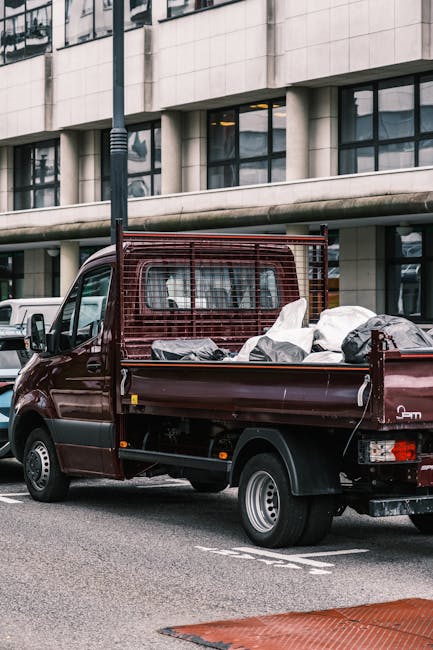
Honor Oak Park garden clearance and local rubbish services: a practical guide for busy homes and gardens
If your garden has turned into a mix of clipped branches, broken pots, old fencing, soil bags, and the occasional mystery item from the shed, you are not alone. Honor Oak Park garden clearance and local rubbish services are there for exactly those moments when the mess is too much for a normal bin day, but not quite a full building project. Truth be told, that middle ground catches a lot of people out.
This guide explains what garden clearance and local rubbish removal actually involves, how the process works, what to watch out for, and how to choose the right approach for your space. Whether you are tidying a small courtyard, clearing a neglected back garden, or getting rid of mixed household waste after a weekend project, the aim is the same: make the job quicker, cleaner, and far less stressful.
Why Honor Oak Park garden clearance and local rubbish services Matters
Gardens in Honor Oak Park can be a lovely extension of the home, but they also collect clutter in a very sneaky way. One abandoned planter becomes three. A pile of cuttings waits for "next weekend." An old chair ends up under a tarp. Before long, the space feels smaller, harder to use, and somehow always unfinished.
That is where proper garden clearance earns its keep. It is not only about removing waste; it is about restoring usability. A clean garden is easier to mow, safer to walk through, better for children and pets, and much more pleasant to sit in with a cup of tea when the weather behaves itself. And for local rubbish services, the value is broader still: they help move mixed waste, bulky items, and awkward materials out of the way without you having to hire a skip, load a car, or make repeated trips to a disposal site.
Local knowledge matters too. Streets can be tight, parking can be a pain, and access from the front to the rear of a property is not always simple. A crew familiar with local conditions can plan around those realities rather than treating every job like a blank canvas. That saves time, but it also reduces the chance of damage, delay, or a half-finished job. Let's face it, nobody wants soil dragged through the hallway because the route was not thought through.
There is also a seasonal angle. Spring pruning, summer landscaping, autumn leaf fall, and winter clear-outs all create different kinds of waste. A good service understands those rhythms and can handle a garden that is part tidy-up, part heavy lifting, part "please take this old fence panel as well."
How Honor Oak Park garden clearance and local rubbish services Works
The process is usually simpler than people expect. In most cases, it starts with a description of what needs removing, followed by a quote or estimate based on volume, waste type, access, and labour. If the job is straightforward, collection can often be arranged quickly. If it is more complex, a short site visit or a detailed conversation helps avoid surprises.
Typical garden clearance may include green waste, branches, hedge trimmings, lawn cuttings, soil in manageable quantities, broken garden furniture, plant pots, old timber, sheds in parts, and general outdoor rubbish. Some providers also remove mixed household items found in the garden or side return, which is useful when a clearance has spilled into the house. If that is the case, a broader service such as home clearance or house clearance may be more efficient than booking multiple separate jobs.
Local rubbish services work in a similar way, but with a wider scope. They may take furniture, bagged waste, office junk, garage clutter, or builder's waste depending on the provider and the waste classification. For example, a post-renovation clean-up may be better served by builders waste clearance, while a garage that has become a storage black hole may be better handled through garage clearance.
The physical removal itself is usually direct: the team arrives, loads the waste, separates recyclable material where possible, and leaves the area swept or tidied. That last bit matters more than people realise. A garden can look "cleared" but still feel grubby if splinters, leaf litter, or broken fragments are left behind. A proper service should finish the job, not merely move the pile somewhere else.
Key Benefits and Practical Advantages
There are a few obvious benefits, but the less obvious ones are often the most valuable. Time saved is the headline. Nobody really wants to spend an entire Saturday making six runs to dispose of wet hedge cuttings and a rusting barbecue stand. But beyond convenience, there are some quieter gains worth thinking about.
- Faster turnaround: a single visit can clear a large amount of mixed waste without weeks of piecemeal effort.
- Better access: once clutter is removed, you can actually use the garden properly again.
- Reduced manual strain: lifting heavy bags of soil or awkward branches can be tougher than it looks.
- Cleaner appearance: a tidy outdoor area improves the whole feel of the property.
- Smarter handling of mixed waste: local rubbish services can separate different waste types more efficiently than many DIY clear-outs.
There is also a practical financial angle. At first glance, a DIY clear-up can look cheaper. But once you factor in fuel, parking, bags, tools, your time, and the risk of doing the job twice because the first attempt was too small, the numbers can change. That does not mean a professional collection is always the right answer. It does mean the real cost should be looked at in full, not just in one neat line item.
For landlords, letting agents, busy families, and anyone preparing a property for sale or rent, the value is even clearer. A clean exterior helps photographs, viewings, and first impressions. People judge quicker than we admit. A scruffy pile at the side return can make an otherwise good house feel neglected.
Who This Is For and When It Makes Sense
This kind of service suits a wider range of people than many expect. It is not just for large gardens or dramatic clear-outs. Sometimes the trigger is small but persistent: a shed full of broken bits, a border that has been left for a year, or a renovation that produced more waste than the wheelie bin can handle.
It makes sense if you are:
- clearing a garden after pruning, landscaping, or weeding
- dealing with mixed outdoor rubbish, not just green waste
- preparing a property for sale, rent, or handover
- clearing a garage, loft, or spare room at the same time
- handling bulky items that are awkward to move safely
- wanting a quick clean-up without hiring a skip
A particularly common scenario is the "half garden, half household" job. You start in the garden, then find broken chairs, old toys, packaging, and a stack of stuff from the shed. In that situation, it is often worth looking at a broader waste removal option rather than forcing everything into a purely green-waste mindset. The same applies if the clearance includes worn furniture; a service like furniture clearance or mattress and sofa disposal may be helpful alongside garden work.
It also makes sense if you simply do not want the disruption of a skip on the street or driveway. Some streets have limited space, and skips can feel like a project in themselves. A load-and-go collection can be the calmer option. A bit less drama. Always welcome.
Step-by-Step Guidance
If you want the smoothest possible experience, treat the job as a small project rather than a vague tidy-up. A little planning goes a long way.
- Walk the space first. Look for green waste, mixed rubbish, bulky items, sharp debris, and anything that may need special handling.
- Separate obvious categories. Put branches, light cuttings, soil, timber, plastics, and general rubbish into rough groups if you can.
- Check access. Measure gates, side passages, steps, and any awkward corners. If a bulky item has to go through the house, note that early.
- Flag restricted items. Anything potentially hazardous, electrical, or heavily contaminated should be mentioned in advance.
- Request a clear quote. Ask what is included: labour, loading, disposal, recycling, and any surcharge for difficult access.
- Prepare the area. Move pets, unlock gates, and clear a route if possible. You do not need to do the heavy lifting yourself.
- Do a final sweep. Once the waste is loaded, check corners, borders, and the shed area for small bits that are easy to miss.
If the job includes building debris or post-project waste, it can help to compare garden clearance with general waste removal so you know which route is more suitable. For indoor clutter bundled into the same day, flat clearance may be the better fit in smaller properties.
One useful habit: photograph the waste before collection. Not because it is dramatic, but because it gives everyone the same reference point. In our experience, that saves the awkward "I thought this pile was smaller" moment. And yes, that moment happens more often than people admit.
Expert Tips for Better Results
The best clear-outs are usually the ones that are planned with ordinary household reality in mind. Start with the items that slow everything else down. For example, if an old bench, broken planter, or damaged shed panel is blocking the path, remove that first. Once the access route is open, the rest of the job feels easier.
Another good habit is to think in layers. Green waste, mixed rubbish, reusable items, and anything that may need specialist handling should not all be treated the same. That can prevent contamination and keep recycling options open. If you are clearing out leftover appliances from a conservatory or garden room, a dedicated service such as fridge and appliance removal may be more appropriate than bundling everything together.
Also, do not underestimate damp waste. Wet branches, soil, and leaf piles are heavier than they look, and they smell different too, especially after a few days. That is one of those small details people only learn once. If you can avoid leaving garden waste to go soggy, do it. Your back will thank you.
A few more practical pointers:
- keep sharp items separated and visible
- identify anything that could leak, stain, or break during loading
- ask about recycling and sorting before the team arrives
- book a slot when you can be present, if possible
- leave enough room for the crew to work safely and efficiently
For businesses with external yards, outdoor stock areas, or grounds maintenance waste, the same principles apply. The difference is scale and timing. A service that also understands business waste removal may be useful if the garden clearance is part of a wider premises clean-up.
Common Mistakes to Avoid
Most problems with garden clearance are avoidable. They usually come from underestimating volume, forgetting access issues, or mixing waste types that should have been kept separate.
The first common mistake is treating all outdoor waste as "just garden waste." It sounds harmless, but old paint pots, soil contaminated with rubble, broken tiles, and damaged electrical items can change the handling requirements quite a bit. If something feels questionable, mention it. Better a slightly longer conversation than a pickup that stalls on the day.
The second mistake is waiting until everything is already piled up and hard to move. Garden waste compresses, gets damp, and spreads. A pile near the fence can double in visual bulk by the weekend. That is not science, just life.
The third mistake is not checking the provider's disposal approach. Responsible waste handlers should prioritise recycling where practical and manage waste in line with current UK expectations. If sustainability matters to you, ask how recyclable materials are separated and whether reusable items are diverted away from disposal. A good provider should be able to explain this in plain English, not hide behind jargon.
Finally, some people ignore the physical side. Branches with thorns, broken timber with nails, and bags of composted material can cause cuts and strains. Gloves help. So does not pretending you are invincible for an afternoon. A tiny bit of caution saves a lot of hassle later.
Tools, Resources and Recommendations
You do not need a shed full of specialist equipment, but a few simple tools make a big difference. A strong pair of gloves, a garden fork, loppers, refuse sacks, a broom, and a dustpan are usually enough for lighter prep. For bulkier jobs, a wheelbarrow or rubble tub can save a lot of back-and-forth.
If you are planning a bigger tidy-up, think about the route waste will take. A narrow hallway, steep steps, or a side gate with a latch that sticks can slow everything down. That is not a problem as such, but it is useful to know in advance.
These pages may also help you judge the right service for the job:
- garden clearance for green waste and outdoor clutter
- garage clearance if the mess has spread beyond the garden
- what can go in a skip if you are weighing up skip hire versus collection
- pricing and quotes if you want to understand how estimates are usually shaped
For a broader look at sustainability and reuse, recycling and sustainability is worth reading before you book. A strong waste plan should not only remove rubbish; it should also keep usable material in the right stream where possible.
Law, Compliance, Standards, or Best Practice
Waste removal in the UK is not something to be casual about, even when the job looks small. Garden waste, household rubbish, and mixed loads still need to be handled by people who understand legal duties and accepted disposal practice. If you are arranging clearance, it is sensible to check that the provider takes waste management seriously and can explain how waste is transported, sorted, and processed.
For customers, the main takeaway is simple: do not hand waste to someone who cannot clearly explain where it goes. That applies especially if the load contains mixed material, appliances, or anything that could be classed as hazardous. Services such as hazardous waste disposal exist for exactly those situations where ordinary rubbish handling is not enough.
Health and safety also matters on site. Proper loading practice, safe lifting, clear access routes, and sensible communication all reduce the risk of damage or injury. If you are booking a clearance for a tight property, it helps to understand the provider's health and safety policy and insurance and safety approach. That is not overkill. It is just being sensible.
For business customers, data and confidentiality can also come into play if office waste or paperwork is involved. In those cases, confidential shredding may be relevant alongside wider rubbish removal. And if you are ever unsure whether an item is suitable for collection, ask before moving it to the pile. Small caution, big payoff.
Options, Methods, or Comparison Table
If you are trying to decide how to deal with the waste, the easiest route is not always the cheapest-looking one. It depends on what you have, how much access you have, and how quickly you want it gone.
| Option | Best for | Advantages | Trade-offs |
|---|---|---|---|
| DIY tip runs | Very small amounts of light waste | Flexible if you already have time and transport | Time-consuming, tiring, and awkward for mixed or bulky waste |
| Skip hire | Larger, steady-volume projects | Useful when you are clearing over several days | Space needed, permits may be needed, and loading is still your job |
| Professional garden clearance | Fast removal of green waste and mixed outdoor rubbish | Less labour for you, faster finish, often tidier result | Needs a clear description of the waste and access |
| General waste removal | Mixed household and outdoor items | Good when the garden is only part of the clutter | May not suit very large, single-material jobs as well as a specialist clearance |
If you are unsure which route fits, think about three things: volume, access, and urgency. That usually tells the story faster than anything else. For a one-off clear-out, professional collection can be the calmest choice. For longer projects, skip hire may still make sense. Different jobs, different answers. Simple as that.
Case Study or Real-World Example
A typical Honor Oak Park scenario might look like this. A couple has spent months doing small bits of garden maintenance, and by the time they notice, the side return contains cut branches, a broken parasol base, old plant trays, a collapsed shelving unit from the shed, and several bags of mixed outdoor rubbish. The garden is still usable, but just barely. Every time they step outside, there is that little sigh. You know the one.
Rather than splitting the task into many trips, they group the waste into rough categories, clear a path to the gate, and ask for a collection that covers the mixed load. The team arrives, loads the waste in one visit, and leaves the area swept and open again. The biggest difference is not only the missing pile. It is the feeling of having the space back. Suddenly the garden looks bigger. The light feels better. The whole place breathes again.
That is often what customers value most, even if they do not say it first. Not just removal. Relief. And if the job had also included broken furniture or old items from inside the house, combining services such as home clearance with outdoor clearance could have made the day even more efficient.
Practical Checklist
Use this before you book or on the morning of the collection.
- Identify what is being removed and what is staying.
- Separate green waste, timber, mixed rubbish, and bulky items where practical.
- Check for nails, glass, thorns, wet soil, or sharp fragments.
- Measure gates, stairs, side access, and any low head-height areas.
- Flag any appliances, chemicals, paint, or potentially hazardous items.
- Ask whether recycling or reuse is part of the service.
- Confirm whether labour, loading, and disposal are included in the quote.
- Make a clear route from the waste pile to the collection point.
- Keep pets and children away during loading.
- Do a final check for small items hidden under leaves or boards.
If you are clearing a larger property or a mix of spaces, it can be worth exploring loft clearance or office clearance at the same time. One well-planned visit can save a surprising amount of hassle.
Get a free quote today and see how much you can save.
Conclusion
Honor Oak Park garden clearance and local rubbish services are at their best when they make a complicated job feel straightforward. That means clearer gardens, safer access, less lifting, and a finish that actually feels finished. Not half-done. Not "we'll sort the rest next week." Done.
Whether you are tackling a seasonal tidy-up, preparing a home for sale, or dealing with mixed waste that has outgrown the bin, the right service can save time and take the pressure off. And if the job includes indoor clutter, bulky furniture, or awkward materials, it is often smarter to think in terms of a broader clearance rather than forcing everything into one small category.
In the end, a clean space changes how a property feels. You notice it when the gate opens, when the light reaches the patio, when there is room to step back and breathe. That is the real payoff.
Frequently Asked Questions
What does garden clearance usually include?
It usually includes green waste such as branches, hedge trimmings, grass cuttings, leaves, and plant waste, plus related outdoor rubbish like broken pots, timber, and old garden items. Some providers can also handle mixed waste from sheds, side returns, or patios if it is described clearly in advance.
Can local rubbish services take mixed household and garden waste together?
Yes, often they can, provided the waste is suitable for the chosen service. Mixed loads are common in real homes, especially when a garden tidy-up reveals old furniture, packaging, or storage items. The key is to explain the mix early so the collection is planned properly.
Is garden clearance better than hiring a skip?
It depends on the job. Garden clearance is usually better if you want a quick, load-and-go service without having to fill a skip yourself. Skip hire can make sense for longer projects or very large volumes, but you still need space for the skip and time to load it.
What should I do before the clearance team arrives?
Make sure access is clear, separate obvious waste types if possible, and point out anything awkward, heavy, or potentially hazardous. You do not need to do the lifting, but a little preparation makes the collection smoother and sometimes cheaper too.
Do I need to separate green waste from other rubbish?
It is not always required, but it helps. Green waste is often easier to recycle when it is kept apart from general rubbish. If you mix everything together, the provider may still take it, but the recycling options can become more limited.
What about soil, rubble, or old turf?
Those materials can be more awkward than they look because they are heavy and bulky. Some providers can take them, but the amount and mix of material matters. It is best to mention soil, rubble, and turf separately rather than just calling it "garden waste."
Can bulky items like old garden furniture be removed too?
Yes, usually. Broken chairs, tables, benches, and other outdoor furniture are common additions to a garden clearance. If you also need indoor bulky items taken away, services like furniture clearance or mattress and sofa disposal may be relevant alongside the garden work.
How do I know if a waste collector is using proper disposal methods?
Ask how the waste is handled after collection, whether recyclable material is separated, and how they deal with anything unusual. A trustworthy provider should be able to explain their process without sounding vague or evasive. If they cannot, that is a sign to slow down.
Is it safe to leave garden waste outside until collection day?
Usually yes, if it is kept secure and does not block access or create a hazard. But wet waste becomes heavier and messier over time, and loose items can blow around in bad weather. The sooner it is collected, the easier the whole job tends to be.
What if my clearance includes items that might be hazardous?
Mention them before booking. Paints, oils, chemicals, pressure-treated materials, and some electrical or contaminated items may need special handling. In those cases, a service with hazardous waste disposal experience is the safer route.
Can garden clearance be combined with house or garage clearance?
Absolutely. In fact, it is often more efficient to combine them when clutter has spread across several areas of the property. A broader job may fit better with house clearance, home clearance, or garage clearance, depending on where the waste is coming from.
How quickly can a local rubbish service usually help?
That depends on scheduling, the size of the job, and how clearly the waste is described. Simple clearances can often be arranged quickly, while larger or mixed jobs may need a little more planning. The clearer the description, the smoother the response tends to be.
What is the best way to get an accurate quote?
Be specific about the type of waste, rough quantity, access conditions, and whether the job includes lifting from inside the property. Photos help a lot. If you want to compare options, the pricing and quotes page is a useful place to start.
Small clear-outs can make a big difference, and a clutter-free garden has a way of lifting the mood more than people expect. When the space is back, everything feels a little lighter.